 Frying pans & Sauté pans
 Non-stick
 Stainless steel
 Carbon steel
 Cast iron
 Cooking pots
 Demeyere Silver
 Scanpan Impact
 Scanpan Fusion 5
 Silampos Supreme Pro
 Silampos Grand Hotel
 Stellar Profile
 Stellar Equinox
 Stellar Eclipse
 Habonne Royal
 Korkmaz Proline
 Korkmaz Perla
 Sauteuses
 Dutch ovens
 Chasseur
 Lava
Lava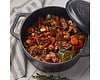 Victoria
 Other
Other Grills & Grill pans
 Woks
Woks Carbon steel & cast iron
 Stainless steel
 Non-stick
 Kettles
 Fondue
 Tajines
 Pressure cookers
 Smoking pans
 Poffertjes pans
 Lids
Lids Splatter screens
 Miscellaneous
 Paella
 Japanese knives
 Kai Shun Classic
 Kai Shun Classic White
 Kai Shun Premier
 Kai Shun Premier Minamo
 Kai Shun Pro Sho
 Kai Kinju & Hekiju
 Kai Seki Magoroku KK Yanagiba
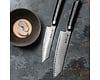 Kai Seki Magoroku Kaname
 Seki Magoroku Migaki
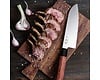 Kai Seki Magoroku Redwood
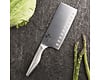 Kai Seki Magoroku Shoso
 Kai Wasabi Black
 Kai Specialties
 Miyabi 7000 D
 Miyabi 4000 FC
 Miyabi 800 DP
 Miyabi 6000 MCT
 Miyabi 5000 MCD
 German knives
 Wüsthof Classic
 Wüsthof Classic Ikon
 Wüsthof Ikon
 Wüsthof Epicure
 Wüsthof Gourmet
 Burgvogel Oliva
 Robert Herder
 French knives
 Elephant ****Sabatier forged stainless steel pakkawood
 Elephant ****Sabatier forged stainless steel olivewood
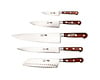 Elephant ****Sabatier forged carbon steel pakkawood
 Elephant ****Sabatier forged carbon steel olivewood
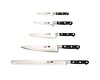 Elephant ****Sabatier stamped stainless steel
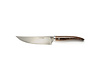 Laguiole en Aubrac Gourmet
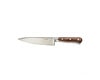 Laguiole en Aubrac Classique
 Pallares Solsona
 Carbon steel kitchen knives
 Stainless steel kitchen knives
 Cleavers
 Steak knives
 Folding knives
 Steak knives
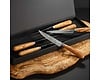 Pallares Solsona
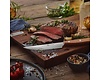 Wüsthof
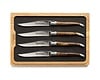 Laguiole en Aubrac
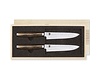 Kai / Shun
 Saladini
 Laguiole Style de Vie
 Other
Other Honing and sharpening
 Naniwa Chosera Pro
 Naniwa Advance
 Naniwa Standard
 Other whetstones
 Sharpening rods
 Honing steels
 Knife sharpeners
 Accessories
 Accessories
 Knife guards
 Knife magnets
 Knife blocks
 Knife bags
 Bread knives
 Cleavers
 Knife sets
 Simple kitchen knives
 Folding knives
 Victorinox
 Spyderco
 Böker
Böker Coutellerie G.R.
  Laguiole en Aubrac
 Nontron
 Opinel
 Cheese knives
 Oyster knives
 Miscellaneous
 Stellar Poise
 Graters, shavers, mandolines
 Mandolines
 Microplane Master
 Microplane Premium Classic
 Microplane Gourmet
 Microplane Professional
 Other Microplanes
 Other
Other Silicone tools
 Whisks
 Strainers & Colanders
 Spatulas
 Stainless steel
 Silicone
 Wood & Pressed wood
 Plastic
 Mortars & Pestles
 Tongs & Tweezers
 Kitchen shears
 Garlic presses
 Mills & Grinders
 Peugeot Paris
 Peugeot Paris Chef
 Peugeot ParisRama
 Peugeot Paris Rouge Passion
 Peugeot various
 Zassenhaus
 Brushes
 Ladles & Serving spoons
 Nutcrackers
 Peelers
 Oyster, lobster, snail
 Mashers
 Skimmers / frying scoops
 Funnels
 Ice cream scoops
 Pizza shovels & Pizza stones
 Can openers
 Squeeze bottles
 Meat mallets
 Skewers
 Miscellaneous kitchen aids
 Tortilla presses
 Citrus presses
 Baking tins & molds
 Springform pans
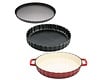 Quiche & flan tins
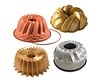 Bundt pans
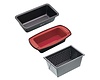 Cake & bread tins
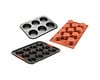 Muffin trays
 Madeleines, savarins, angel food
 Non-stick
 (Anodized) aluminum
 Silicone
 Cast aluminum
 Ceramic
 Baking trays
 Pastry rings
 Small baking molds
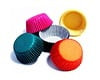 Baking cups
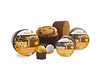 Paper Panettone molds
 Chocolate
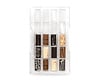 Polycarbonate molds
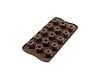 Silicone molds
 Miscellaneous chocolate tools
 Chocolate food coloring
 Chocolate
 Books
Books (Cookie) cutters
 Cutter sets
 Cookie cutter sets
 Individual cookie cutters
 Piping bags & nozzles
 Sets
Sets Piping bags
 Round piping nozzles
 Star piping nozzles
 Miscellaneous
 Accessories
 Mixing bowls
 Rolling pins
 Bread
Bread Dough scrapers
 Palette knives
 Fondant tools
 Modeling tools
 Impression mats
 Smoothers, combs & spatulas
 Fondant cutters / modelers
 Mats, paper and foil
 Acetate foil
 Silicone mats
 Cooling racks
 Brushes
 Turntables
 Cake servers
 Cake cutters / knives
 Candles
 Cake boxes
 Cake drums
 Other
Other Food coloring | gel
 Food coloring | oil based
 Food coloring | liquid
 Food coloring | powder
 Color spray & Velvet spray
 Edible markers
 Flavors
 Patis Decor natural flavors
 Patis Decor flavors
 PME flavors
 Extracts
 Glitters & decorations
 Magic sparkles (glitter flakes)
 Lustre snow
 Sugar flowers and decorations
 Sprinkles
 Fondant, Marzipan & Icing
 Fondant
 Royal icing, lace, etc.
 Biscuit Icing
 Cake drips
 Misc. ingredients
 Sugars and sugar substitutes
 Gold and silver leaf
 Mixes
Mixes Ravioli stamps
 Ravioli molds
 Pasta wheels / rollers
 Rolling pins
 Pasta makers
 Various
 Peugeot Ceramics
 Rectangular
 Square
 Other
Other Casseroles
 Roasting trays
 Terrines
 Thermometers
 Measuring jugs
 Scales
 Kitchen timers
 Measuring cups & spoons
 Other
Other Japanese tableware
 Gift sets
 Bowls
Bowls Salad bowls
 Plates
 Chopsticks
 Chopstick rests
 Cutlery
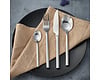 Stellar Rochester
 Stellar Sterling
 Stellar Winchester
 Stellar Raglan
 Salad bowls
 Salad servers
 Butter dishes
 Butter knives
 Heim Söhne spoons
 Trivets and coasters
 Glasses
 Serving trays
 Other
Other Percolators / moka pots
 Bialetti parts
 French presses
 Milk frothers
 Coffee grinders
 Tampers
 Espresso tools
 Milk jugs
 Coffee filters
 Tea
Tea  Teapots
 Wine tools
 Waiter's friends / corkscrews
 Decanters
 Wine coolers
 Other
Other Cocktail tools
 Misc. bar tools
 Aprons
 Kitchen towels
 Oven mitts & pot holders
 Other
Other Wood
Wood Plastic
 Pressed wood fiber
 Wood oil
 Pots & Pans
 Knives & accessories
 Kitchen aids
 Baking & pastry
 Edibles
 Pasta
Pasta Oven
Oven Measuring
 Tableware
 Coffee & Tea
 Bar & wine
 To go & storage
 Textiles
 Books
Books Boards
 Olivewood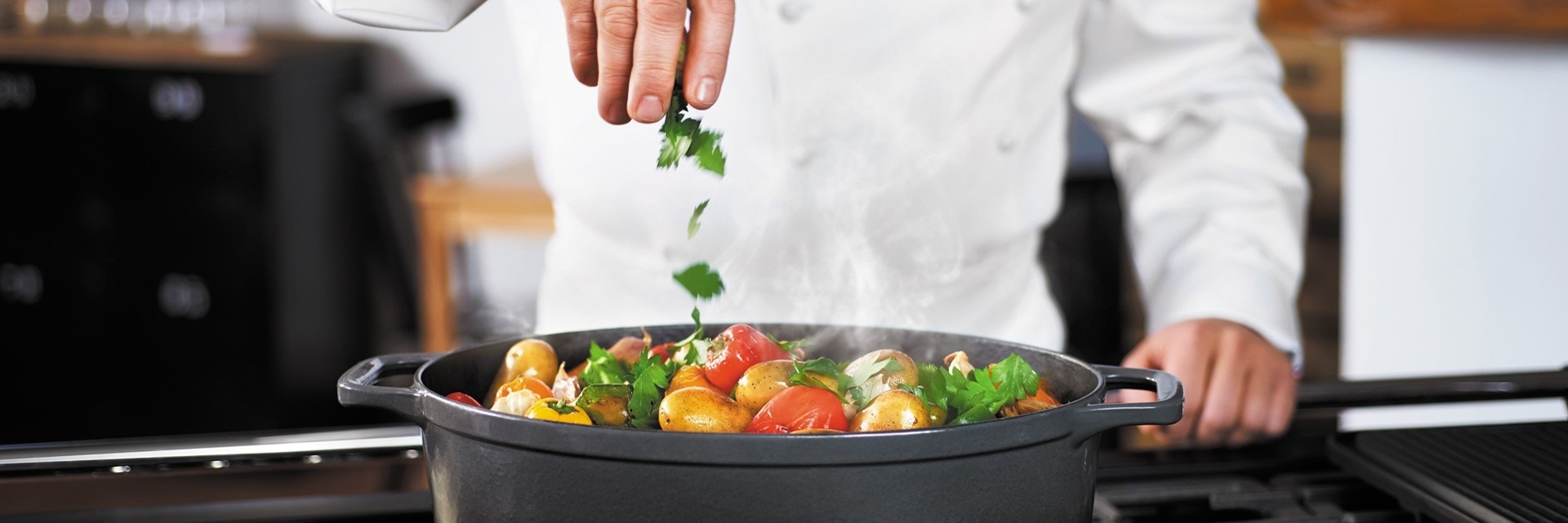
Chasseur
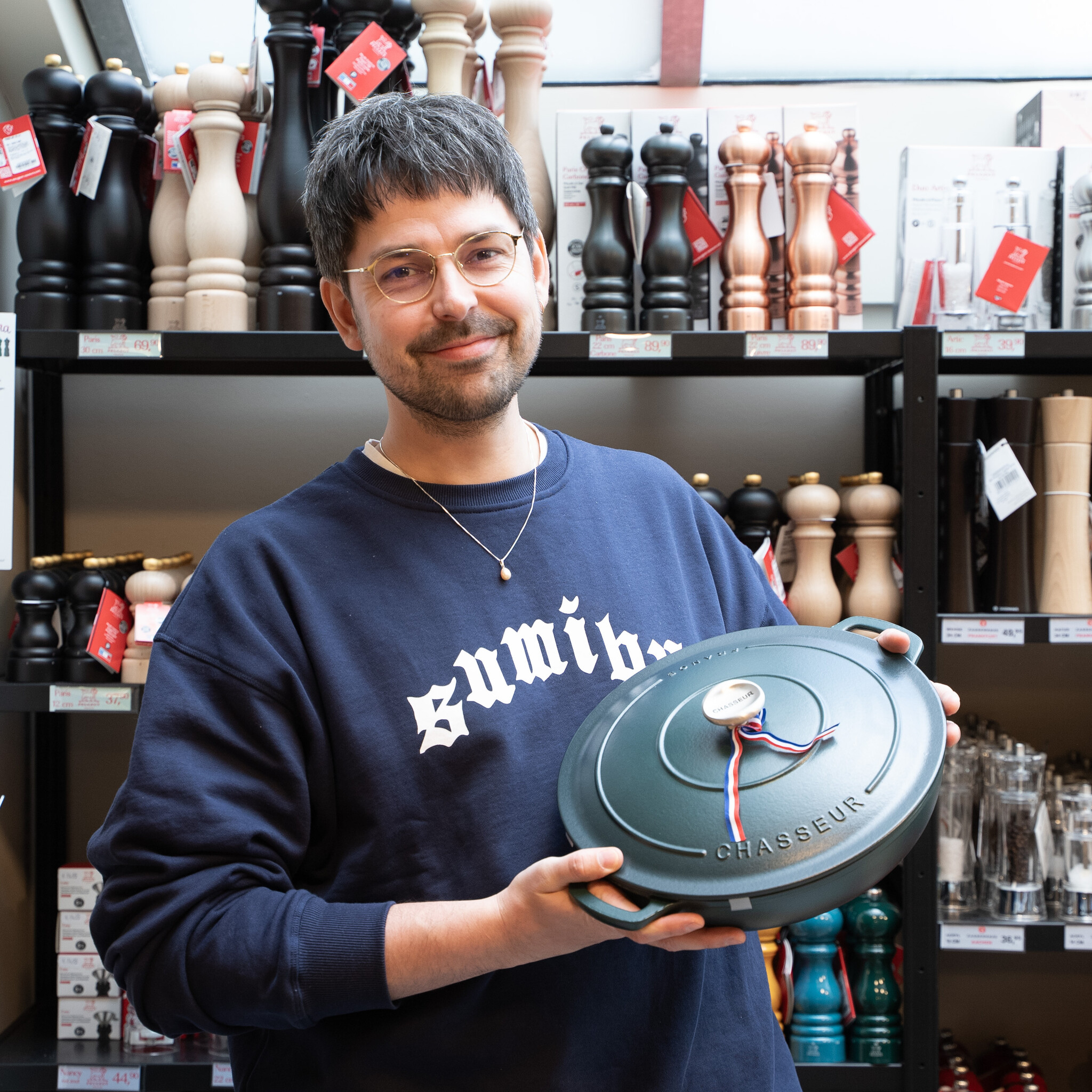
There is a sound that tells you a great meal is on its way. It is the deep, heavy scrape of a cast iron lid being lifted, followed by the gentle sigh of escaping steam. Beneath it lies something that has spent hours quietly transforming itself: a stew that has become rich and glossy, meat that falls apart at the slightest touch of a fork, a sauce reduced to the perfect consistency, bursting with flavor. The French call this pot a cocotte, and it is the beating heart of their home kitchens. For more than a century, Chasseur has been crafting some of the finest examples in the world from a quiet corner of the Ardennes.
This is the story of how molten iron, river sand, and a skin of colored glass come together to create a pot you can cook with for the rest of your life, and one you can proudly pass on to the next generation.
A Foundry in the Ardennes
Chasseur was born during the Belle Époque, French for “the Beautiful Era,” in 1924. In the Meuse Valley, one of France’s great centers of metalworking, Fernand Sueur founded the Invicta foundry. The company would remain in the same family for nearly ninety years. From the very beginning, its roots were firmly planted in two towns in the Champagne-Ardenne region: Donchery and Vivier-au-Court, where production still takes place today.
The story did not begin with cookware. In its early years, the foundry produced sinks and sanitary ware, the decidedly unglamorous backbone of the construction industry. But cast iron is a remarkably versatile material, and throughout the twentieth century the company’s range steadily expanded to include furniture and tables, umbrella stands, trivets, fireplaces and fireplace inserts, barbecues, wood-burning stoves, and eventually cast iron casseroles. These first appeared under the Invicta name before being introduced under the brand that would carry the cookware across the globe: Chasseur.
The region itself is part of the story. Champagne-Ardenne is world-renowned for its food and wine, a place where good cooking is not considered a luxury but a way of life. It seems only fitting that cookware designed for slow, generous cooking should come from here.
The Hunter’s Name
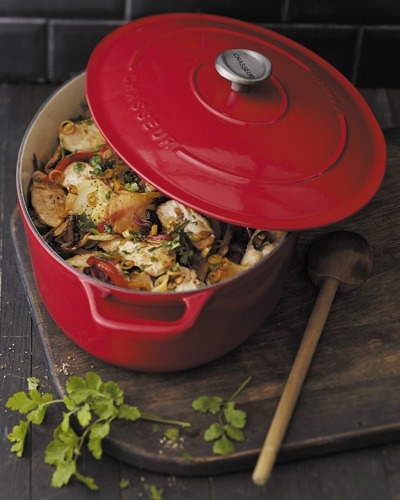
Chasseur is the French word for “hunter,” and it is no coincidence that this name belongs to cookware designed for slow, comforting meals. Anyone familiar with French cuisine will recognize the term from the menu: à la chasseur, “hunter-style,” and the classic sauce chasseur, made with mushrooms, shallots, white wine, a touch of tomato, and tarragon. Think of poulet chasseur, chicken gently braised until the kitchen is filled with the kind of aroma that makes you wish Sunday would never end. This is exactly the kind of dish a cocotte was made for.
It is the vessel behind the great classics of French cuisine: boeuf bourguignon and daube, coq au vin and cassoulet, pot-au-feu, and the endless variety of slow-cooked stews that transform humble, inexpensive cuts of meat into something worthy of the finest restaurants. A cocotte never rushes. It rewards patience, and repays it in flavor.
Born from Sand
So how does a cast iron pan actually come to life? Every Chasseur piece begins its journey in a mold made from sand and a binding agent. Molten iron, glowing at nearly 1,400°C (2,550°F), is poured into the sand mold shaped for the pan. Once the iron has cooled and the casting is released, the mold is destroyed. It can never be used again. As a result, no two Chasseur pieces are ever cast from the same mold, making every single pan unique.
There is also a quiet environmental benefit to this centuries-old craft. Chasseur cast iron is made using a high percentage of recycled metal, up to around eighty percent, and both the used sand and the broken molds are reclaimed rather than discarded. The foundry also employs advanced filtration systems to help protect the surrounding air and soil. It is a reminder that tradition and sustainability are not opposites.
What emerges from the sand is rough, gray, and far from beautiful: a raw casting with little resemblance to the finished cookware. Its true transformation is only just beginning.
A Skin of Glass
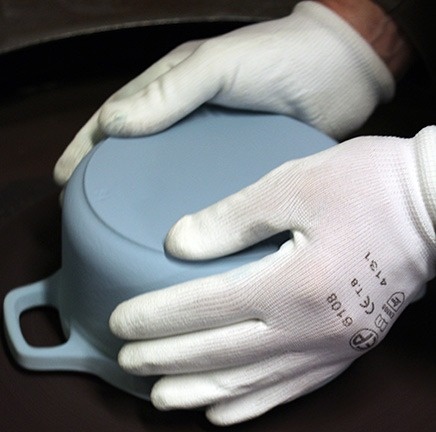
Bare cast iron rusts and reacts with food. The genius behind cookware like Chasseur lies in its enamel, a glass-like coating that is permanently fused to the iron at extremely high temperatures. Before this can happen, every raw casting passes through a blasting cabinet that cleans and roughens the surface, ensuring the enamel bonds securely to the metal.
Then comes the part that is still done entirely by hand. Skilled enamelers apply Chasseur’s signature colors in two or three coats, covering both the inside and the outside of each pan before every layer is fired. Because the enamel is sprayed by experienced craftsmen rather than machines, every pan carries the subtle human signature of the person who finished it. The enameling facility is located just a few kilometers from the foundry in Donchery, and to this day every Chasseur casserole is still hand-finished.
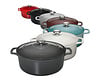
The result is a fused glass surface that will not react with acidic ingredients such as tomatoes or wine, wipes clean with ease, and requires none of the seasoning rituals associated with bare cast iron. Chasseur offers two interior finishes to suit different styles of cooking: a matte black enamel that disguises the marks left by intense searing, and a glossy light “sand” enamel that makes it easy to judge the color and development of a sauce as it cooks. On the outside, it is the colors that capture everyone’s attention, a rich palette that transforms a hardworking piece of cookware into something you’ll be proud to leave on your stovetop.
Slow and Steady
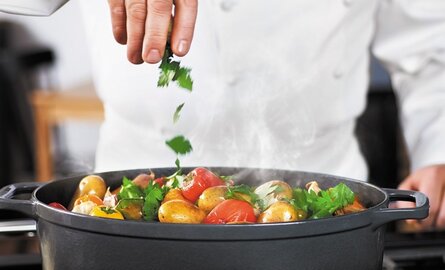
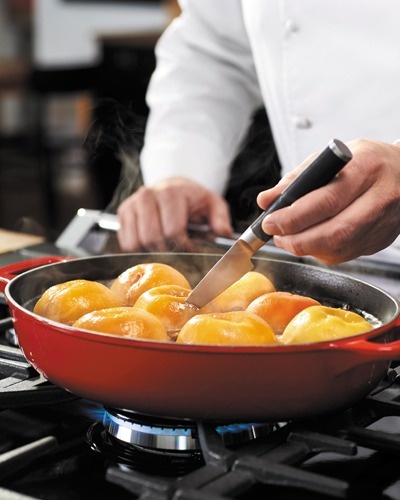
Why choose cast iron when lighter cookware exists? Because of the way it handles heat. Cast iron is a heavy, dense material with exceptional thermal mass. It heats up gradually, but once hot, it retains that heat and distributes it evenly across the base and up the sides of the pan, eliminating the intense hot spots that can scorch food in thinner cookware. You can sear a roast over high heat, reduce the temperature, and let it braise gently for hours, all in the same vessel, moving it effortlessly from the stovetop to the oven.
That impressive heat retention also makes cast iron remarkably energy-efficient. Because the iron does so much of the work, you can cook at lower heat settings, and the pan remains hot long after the burner has been switched off. Many Chasseur cocottes also feature another clever advantage: a domed self-basting lid with concentric rings on the underside. As steam rises and meets the cooler lid, it condenses and falls back onto the food in a gentle, continuous shower, naturally basting the dish in its own juices and preventing roasts and stews from drying out. It is a simple yet ingenious piece of engineering that performs a task a chef would otherwise have to do by hand.
For Every Cooktop
Chasseur cookware is timeless not only because it can last for generations, but also because it performs beautifully on virtually every heat source. Thanks to its thick, flat, magnetic cast iron base, it is suitable for gas, electric, ceramic, and induction cooktops alike. It is equally at home in the oven, up to 250°C (480°F) with stainless steel knobs, or 220°C (430°F) with the classic black phenolic knobs, making it perfect for everything from slow braises to homemade sourdough bread. Whatever you’re cooking, and however you use it, a good pair of oven mitts is highly recommended, allowing you to bring a beautiful dish safely from oven to table.
It is also worth knowing that every piece of Chasseur cookware, proudly Made in France, is backed by a lifetime warranty against manufacturing defects. With just a little care, a Chasseur cocotte can remain in the family for generations, collecting memories of Sunday lunches and hearty winter stews along the way. It is both a trusted cooking tool and a family heirloom.
Four Tips to Make Sure Your Chasseur Outlives You
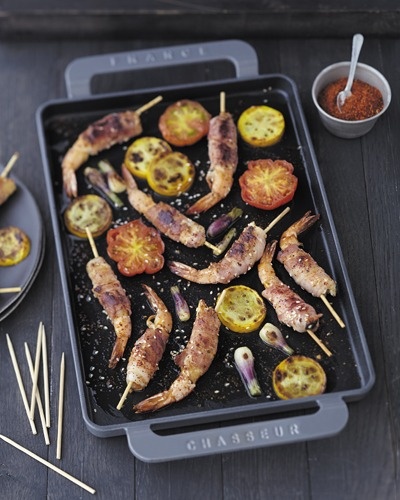
So what does “a little care” actually mean? With these four simple habits, your Chasseur can remain in outstanding condition for decades.
As mentioned earlier, cast iron is an excellent conductor and retainer of heat. It heats up gradually and cools down just as slowly. Resist the temptation to crank up the heat straight away. Instead, place the pan over low heat while you prepare your meat or vegetables. It won’t cost you any extra time, but it allows the entire pan to warm evenly and gently. Once it’s fully up to temperature, you can safely increase the heat. The same principle applies in reverse: never plunge a hot pan into cold water, as sudden temperature changes can cause the iron to crack. Let it cool naturally before washing it, and enjoy your meal in the meantime.
Enamel, and cast iron, is incredibly durable, but it isn’t indestructible. Avoid knocking the pan against hard surfaces or dropping it. When cooking, opt for wooden, silicone, or other non-metal utensils. That way, you can stir and scrape to your heart’s content without damaging the enamel.
Hand washing is the best way to care for enameled cast iron. Over time, the dishwasher can dull the enamel, while any exposed, unenameled edges may become susceptible to rust. If you choose not to use dish soap, a patina of polymerized oil may gradually develop on the black enamel interior. This can provide a small degree of natural non-stick performance, although it may also leave the cooking surface looking somewhat mottled. If you prefer a consistently clean appearance, simply wash the pan with dish soap after every use.
A Chasseur isn’t meant to remain showroom perfect. It is built to be used, marked by countless memorable meals, and loved for generations. The more often you reach for it, the more naturally it becomes part of your cooking, and your story.
Buy a cheap pan, and sooner or later you’ll buy another. Buy a Chasseur, and you may never need to replace it.
When you place a Chasseur on your stovetop, you’re holding a century of French foundry craftsmanship in your hands: molten iron poured into a sand mold that will never be used again, vitreous enamel applied by hand in a small town in the Ardennes, and a lid engineered to baste your dinner while you focus on everything else. It has the reassuring weight that all honest, well-made things seem to possess.
Choose the color you can’t stop looking at, fill it with something that deserves to take its time, and let a century of craftsmanship quietly get to work in your kitchen.
Discover our Chasseur collection